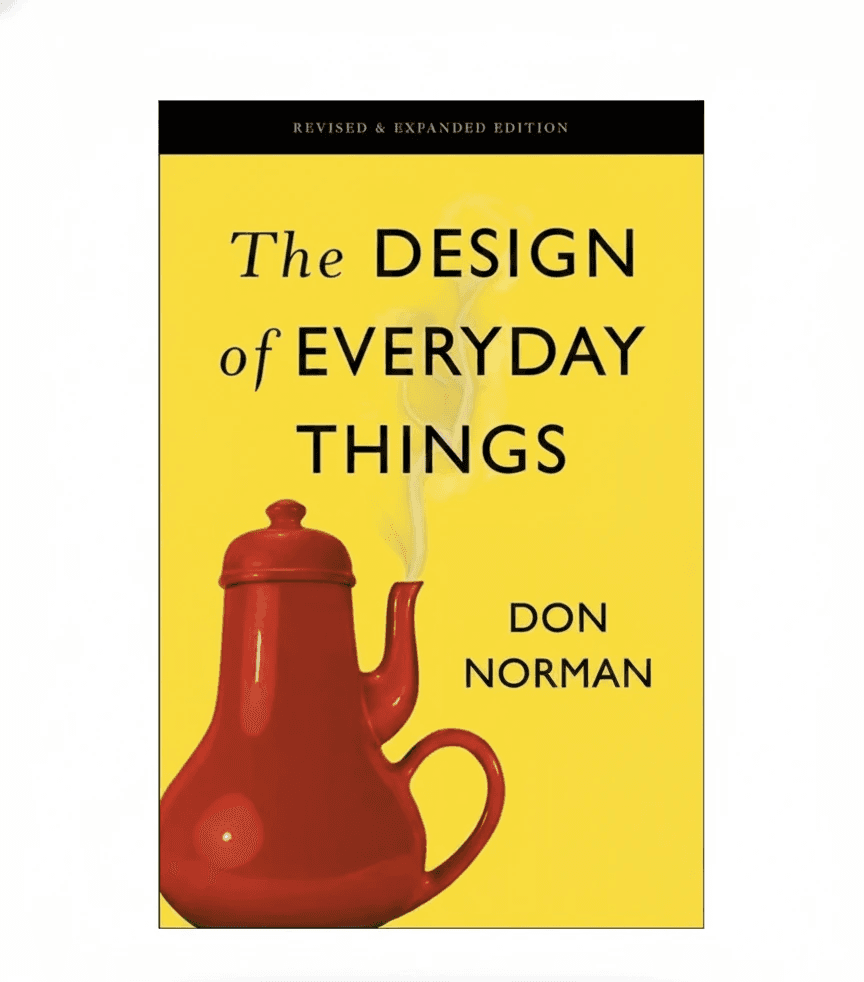


The premise
Good design isn't accidental. It's built on principles—patterns that solve human problems consistently across contexts. These aren't rules to memorize; they're mental models that guide decisions when you're facing ambiguity, tight deadlines, or conflicting stakeholder needs.
Why you should read this
Principles give you a vocabulary to defend your work and a framework to critique it. When someone asks "why does this button go here?" you need more than "it feels right." This book equips you with the foundational logic behind usability, accessibility, and interaction—so you can design with intention, not just intuition.
Ground your decisions in proven patterns.
Communicate design rationale clearly.
Build interfaces that scale across users and contexts.
Things I learned
Principles aren't prescriptive—they're diagnostic. Consistency matters, but context determines how. Affordances work when they match mental models. Feedback loops close the gap between action and understanding. The best designers don't just apply principles; they know when to bend them and why.
Suggested
Continue Reading
More readings you may find useful, curated by yours truly